
Screen Enclosure Rescreening (Project #20593) – Blind Pass Ct, Sanibel, FL
 Sanibel
 February 20, 2026
 720 sq. ft.; 24 rescreened wall panels
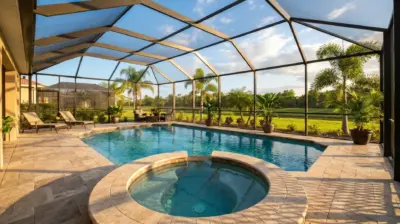
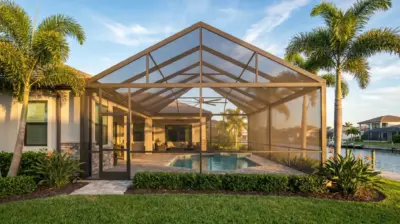
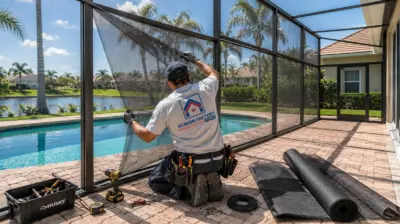
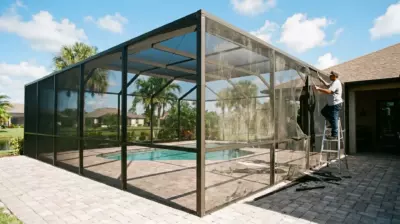
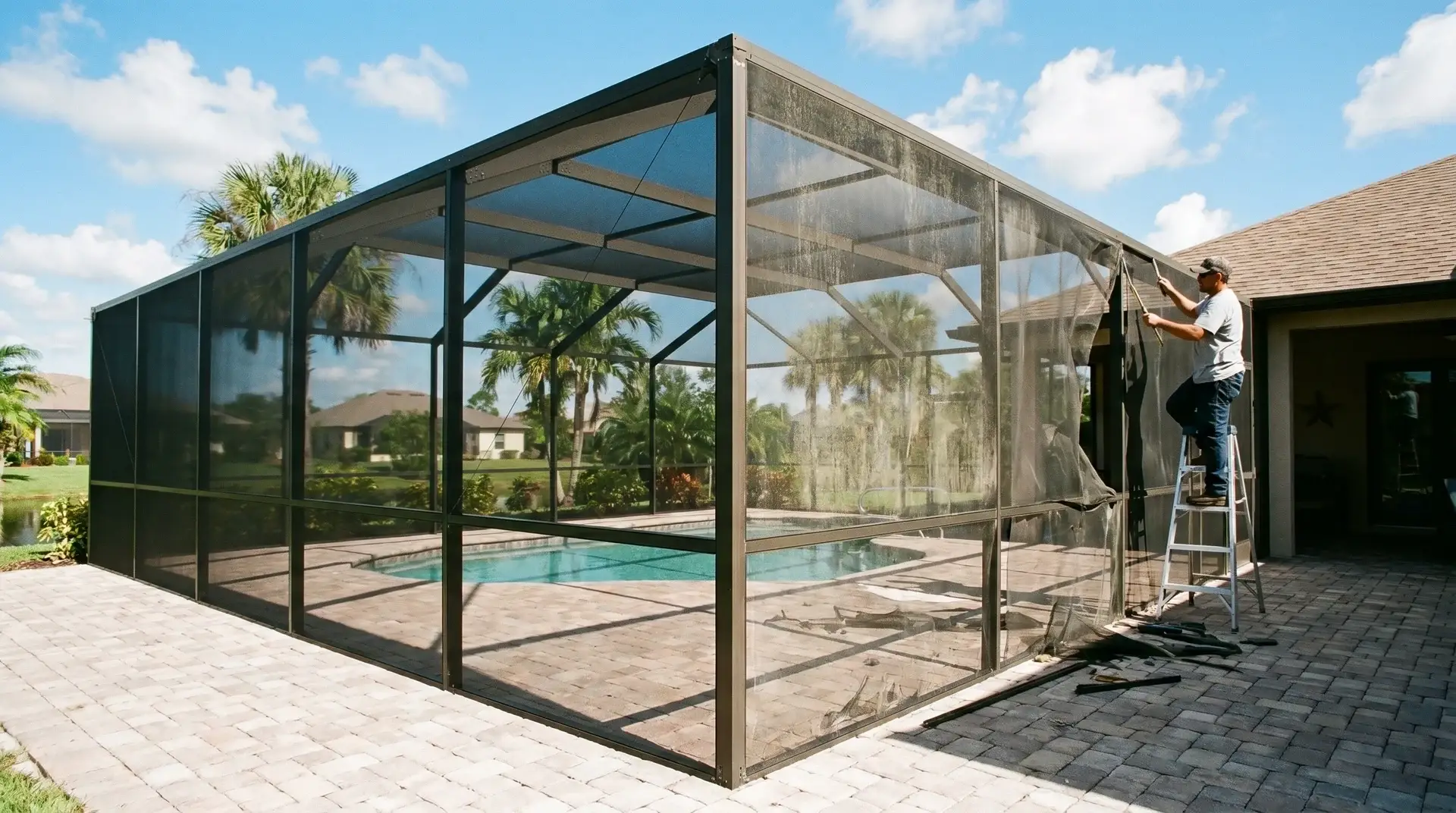
This Sanibel rescreening renewed the walls of a tall courtyard screen enclosure at a raised home. The 720 sq. ft. project replaced the mesh and spline on 24 wall panels with Regular screen while the existing white aluminum frame stayed in place. Designed for Florida living, the refreshed enclosure provides insect protection, natural airflow, and a clear view.


Project Overview
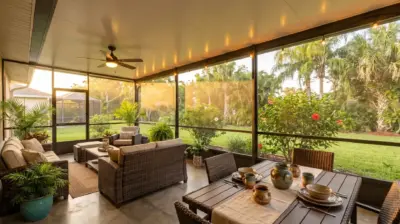
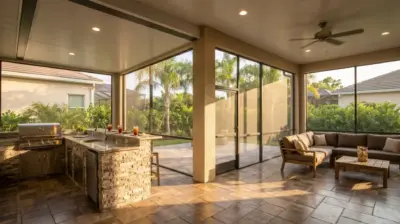
At a raised home on Blind Pass Ct in Sanibel, the homeowners wanted their tall courtyard screen enclosure to keep out insects without dulling the view of the house and garden. The existing frame stayed in place, so the work focused on the screen itself. The result was a fully rescreened set of walls, 24 panels covering about 720 sq. ft.
The defining element is the full-height wall of screen panels. By replacing the mesh on every wall panel in one project, the work restores a clean, even look across the whole enclosure and keeps the open view into the courtyard. The tall frame gives the space comfortable height, and the new screen keeps that height light and open.
The white aluminum frame was kept in place, and each panel received new spline to hold the mesh tight and flat. Replacing the screen and the spline together helps the mesh sit evenly in the frame channels, so the finished walls look uniform from the courtyard and from the driveway.
The panels use Regular screen mesh, the standard choice for Florida screen enclosures, with a manufacturer’s material warranty of typically about 5 years. This durable screening helps keep out insects and windblown debris while maintaining airflow, visibility, and a comfortable connection to the garden around the house.
Homeowners considering a similar upgrade can explore our rescreening in Sanibel.
Finished on February 20, 2026, the rescreened enclosure gave the courtyard a cleaner, more comfortable outdoor living space without changing the character that makes this Sanibel property special.
Before & After

How We Did It
Project #20593 followed a focused rescreening sequence, beginning with an on-site visit and precise measurements of the wall panels at the Sanibel property. After the scope and materials were approved, our team prepared the Regular screen mesh and spline for 24 panels and replaced the screen panel by panel. After the final checks and client walkthrough, the completed rescreen was placed under warranty and ongoing company support.
Our specialist visited the Sanibel property to evaluate the tall courtyard enclosure, the condition of the wall panels, and access around the raised home. Measurements were taken for the 24 wall panels covering about 720 sq. ft. During this stage, the homeowners selected Regular screen mesh for the new panels. After the scope, materials, pricing, and timeline were confirmed, the contract was finalized.

Using the field measurements, the team planned the panel layout and screen sizes for the 24 wall panels, including the width and height of every opening and the mesh rolls needed to cover them. Because the existing aluminum frame stayed in place, the planning focused on panel sizes, materials, and the order of work rather than a new structural design. This stage kept the material order accurate and the installation efficient.

Because this project replaced the mesh on an existing frame, the work moved from planning straight into material preparation and installation. Whether a permit is needed depends on the city and the scope, so the requirement is checked for each address before work begins.

Materials were prepared according to the measurements before work began at the property. The crew removed the old screen from the wall panels and installed new Regular mesh with new spline in each of the 24 panels, working from scaffolding along the tall walls and keeping the white aluminum frame in place.

After installation, the team checked the mesh tension, spline seating, frame condition, and overall finish on every panel. The completed rescreen was then presented to the homeowners during the final walkthrough. Project #20593 was completed on February 20, 2026.

Following the final handover, the completed rescreening was placed under Screen Factory Florida’s warranty and ongoing support. The installed Regular screen typically carries a manufacturer’s material warranty of about 5 years, while our team remains available to assist with questions related to the screen panels, the frame, or other installed components. The homeowners can now enjoy a clean, protected courtyard enclosure with dependable support after installation.

Want a Similar Result?
Get a free estimate for your project —
we’ll call you back within 15 minutes.
Design, Permits & Project Planning
Project #20593 renewed the screen on 24 wall panels of a tall courtyard enclosure at a raised home on Blind Pass Ct in Sanibel. The work covered about 720 sq. ft. of wall area and kept the existing white aluminum frame. Planning focused on measuring each panel, ordering the right mesh rolls and spline, and sequencing the installation along the tall walls. The result is a uniform, tightly set screen across the enclosure, completed on February 20, 2026.
Frequently Asked Questions
Answers to common questions about pool enclosure design, permits, installation, materials, and maintenance in Sanibel.
How much does it cost to rescreen a screen enclosure in Florida?
The cost depends on the number of panels, the height and access, the mesh type, and the condition of the frame. For Project #20593 in Sanibel, the reported cost was around $3,200 to rescreen 24 wall panels covering about 720 sq. ft. with Regular screen mesh and new spline. That figure describes this installation only. Tall walls, scaffolding, or damaged frame parts can change the price, so the most reliable way to price your own project is an on-site visit, a measured scope, and a written estimate. Extras such as replacing damaged frame parts, doors, or kick panels each add materials and labor to the scope.
How often should you rescreen a screen enclosure?
There is no single schedule, because mesh ages with sun, salt air, storms, and everyday use. Look for faded or stretched panels, small tears, loose spline, and screens that sag or flap in the wind. Regular screen mesh typically carries a manufacturer’s material warranty of about 5 years, and that warranty covers the material only, not the labor or damage from impact. Rescreening one wall or the whole enclosure at once are both common choices, so ask for a quote for each option. On Project #20593, all 24 wall panels were rescreened together. An on-site inspection can also show whether the frame channels and fasteners are still in good condition.
Do you need a permit to rescreen a screen enclosure in Florida?
It depends on the city and the scope. Replacing mesh on an existing frame is often treated differently from building or changing the structure, but rules vary by county and city, and some areas add extra rules for tall or elevated enclosures. Check with the local building department or ask your contractor to confirm the requirement for your address before work starts. For Project #20593 in Sanibel, the work replaced the screen panels and kept the existing frame in place. A contractor who measures the enclosure and explains the scope in writing can keep the schedule clear. Ask for the answer in writing so the scope and the requirement are clear to everyone.
How long does it take to rescreen a screen enclosure?
The timeline depends on the number of panels, the height of the walls, access, and the weather. A small enclosure can be rescreened quickly, while tall walls like those on Project #20593 need scaffolding and more careful work. Mesh must be ordered in the right widths before work begins, so measuring first saves time. Before you sign a contract, ask for the expected schedule in writing, and ask how weather could move the dates. A contractor who prepares the materials in advance can keep the work on schedule. Ordering materials and scheduling the crew also take time, so planning and installation should be coordinated together.
What is the difference between Regular and Super Screen mesh?
Regular Screen 18/14 is the standard mesh for Florida screen enclosures and lanais, with a good balance of airflow, visibility, and insect protection, and a typical manufacturer’s warranty of about 5 years. Super Screen is a more durable mesh with a typical manufacturer’s warranty of about 10 years, which makes it a common choice where the screen sees more wear. Project #20593 used Regular screen mesh. Ask your contractor to show samples and compare how each mesh looks, lets air through, and holds up in your location. Both meshes are set into the frame channels with spline, so switching the mesh type does not usually change the frame itself.
More projects
Explore more screen enclosure and pool cage projects in the Florida area.


Our Services
From custom pool enclosures and screened lanais to motorized screens and hurricane shutters, we create outdoor spaces made for the Florida lifestyle. Every solution combines lasting protection, everyday comfort, and clean design – so you can enjoy more fresh air, fewer insects, and peace of mind in any weather.

 Hi, I'm Alex, your project consultant. Fill in the details and I'll personally get back to you today.