
Design & Trends
Jan 2026
5 min read
Motorized screens look like the ideal solution for Florida homes
But in practice, they are not for everyone-and can be a costly mistake.

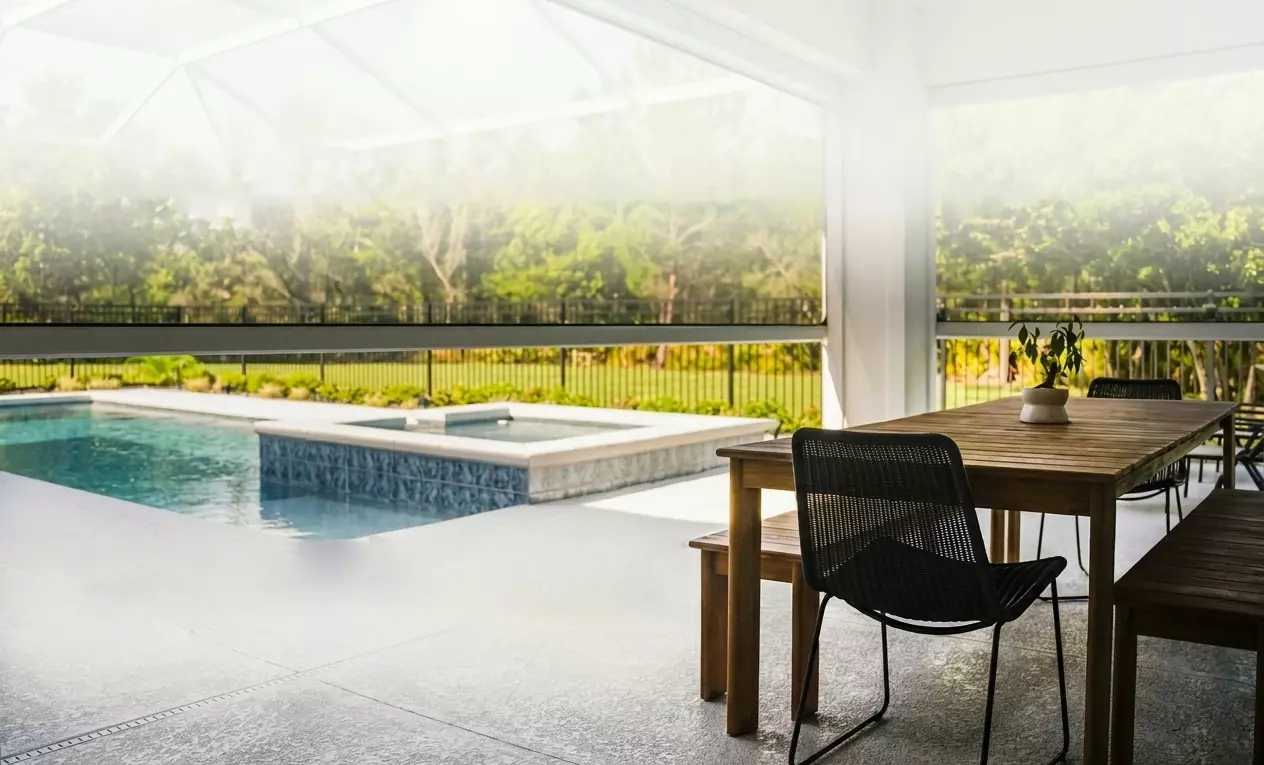
Watch a video
This video is an honest guide to help you decide if they’re the right investment for your home. We’ll cover when they make sense, and just as importantly, when they don’t.
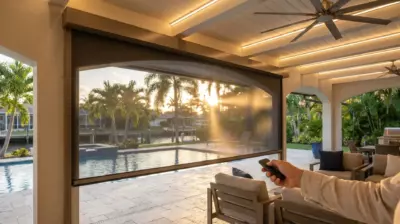
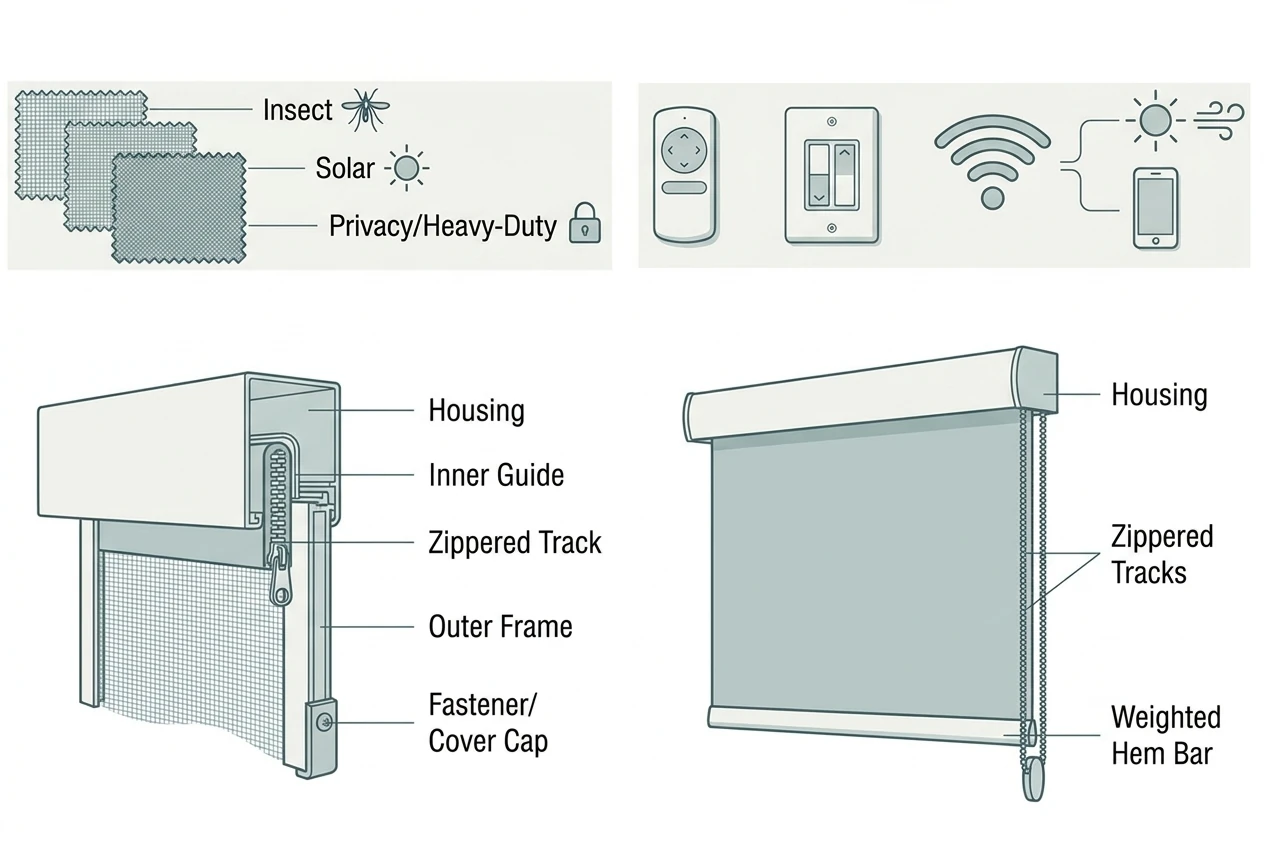
First, what is a motorized screen?
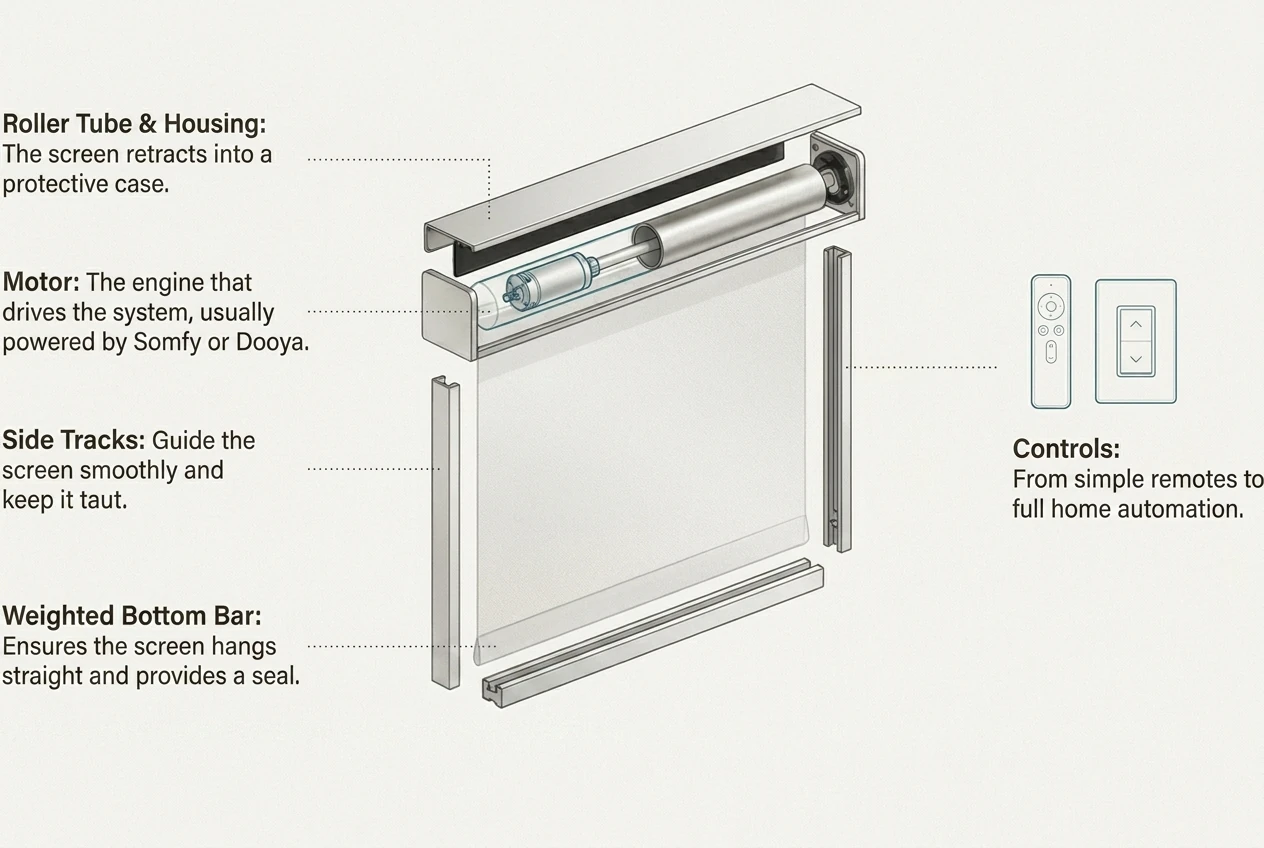
Key Message: Think of it as a functional, architectural element, not a decorative accessory.
When They Shine: Creating an Instant Bug-Free Zone
The most common reason homeowners install motorized screens is for on-demand insect protection.
- Keep out mosquitoes, no-see-ums, and other pests.
- Allows you to enjoy the fresh air and breeze without the bites.
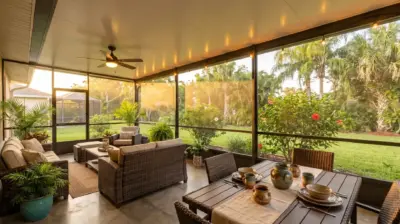
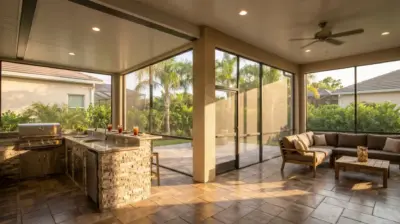
- Perfect for lanais, covered patios, and garages where you want a flexible barrier.
High-quality insect screens like TEXTILENE® nano™ M 70 are specifically designed to block even the tiniest “no-see-um” insects while maintaining airflow.
Control the Florida Sun at the Push of a Button
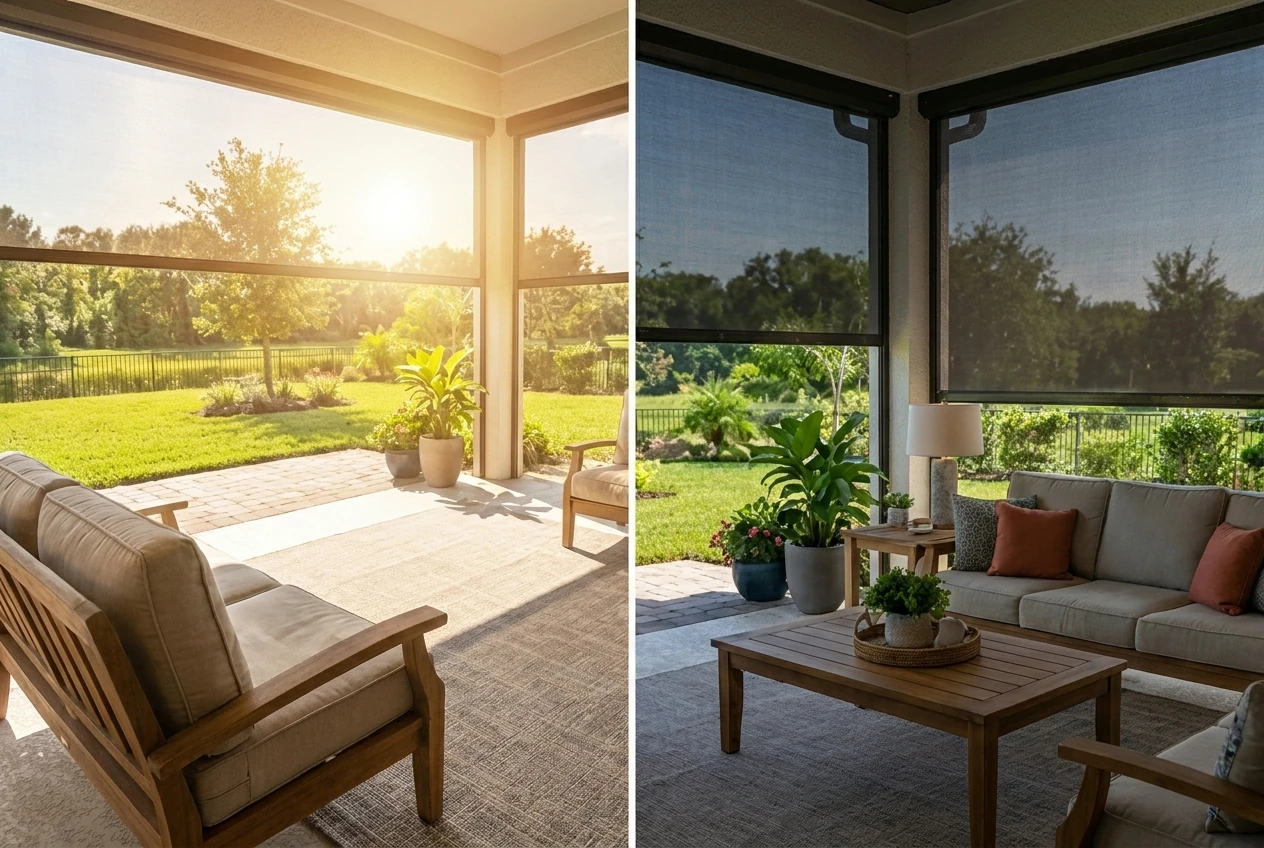
- Block UV Rays: Protect your outdoor furniture, flooring, and decor from fading.
- Reduce Heat: Lower the temperature on your patio, making it comfortable even on hot days.
- Lower Energy Bills: By blocking solar heat, they can reduce the cooling load on your home.
Solar screen fabrics like SunTex® and TEXTILENE® nano™ can block up to 97% of the sun’s heat and glare. Some are even approved by the Melanoma International Foundation for skin protection.
Your Private Oasis, On Demand
Create a secluded space without building permanent walls.
- Enhance Privacy: Ideal for homes with close neighbors or those on a golf course.
- Maintain Your View: Opaque enough for privacy, but many fabrics still allow you to see out.
- Versatile Applications: Use them for porch and balcony privacy, or even to conceal a workshop area in a garage.
Privacy fabrics like TEXTILENE® Dim Out™ offer superior ventilation and outward visibility while significantly reducing inward visibility.
When to Reconsider: The “No Roof” Dealbreaker
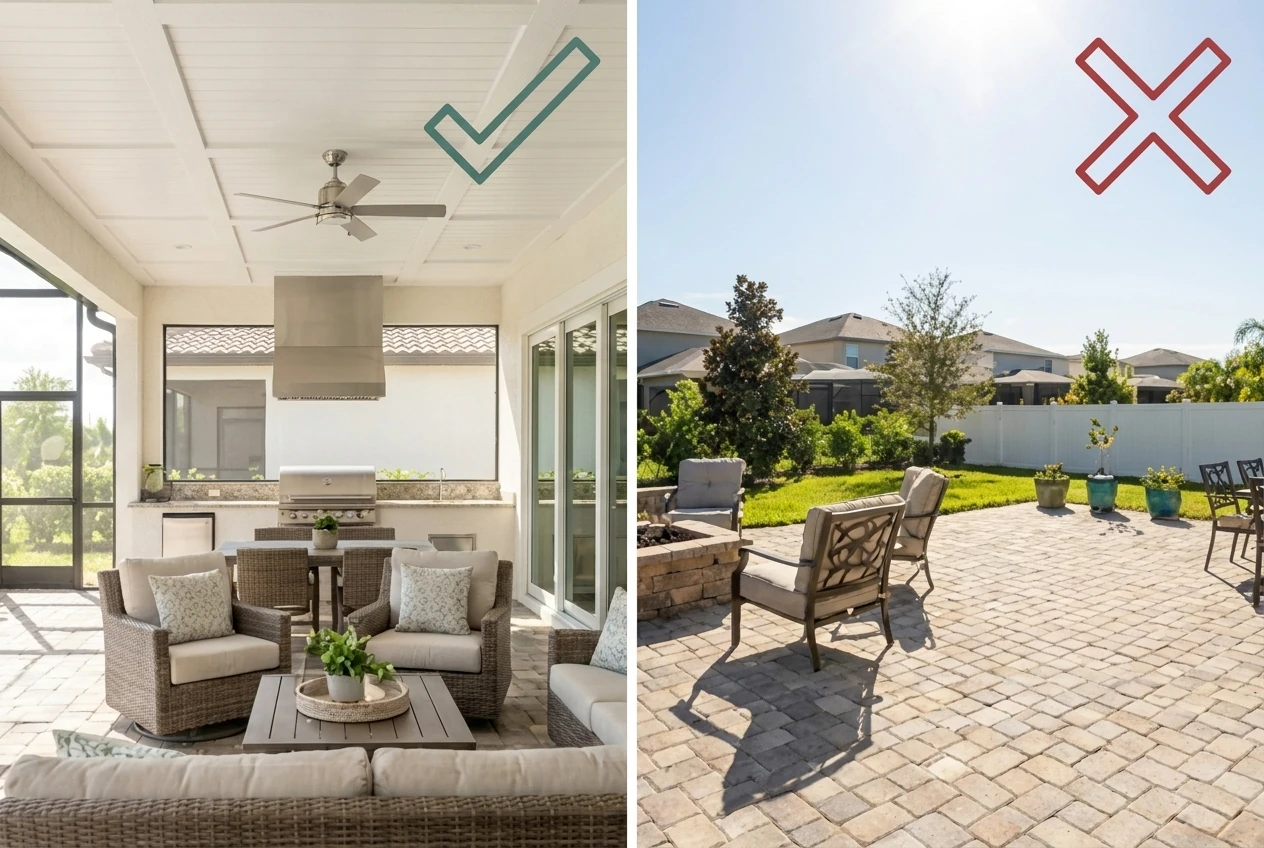
Motorized screens require an existing, structurally sound overhead covering. They are designed to be installed within a structure, not to create one. They need a roof, header, or pergola to mount the housing and tracks.
- Completely open patios or decks with no covering.
- Areas where you want to create a new roofed-in space.
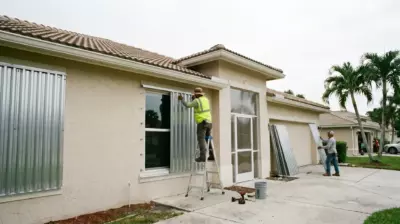
A Critical Clarification: They Are Not Hurricane Shutters
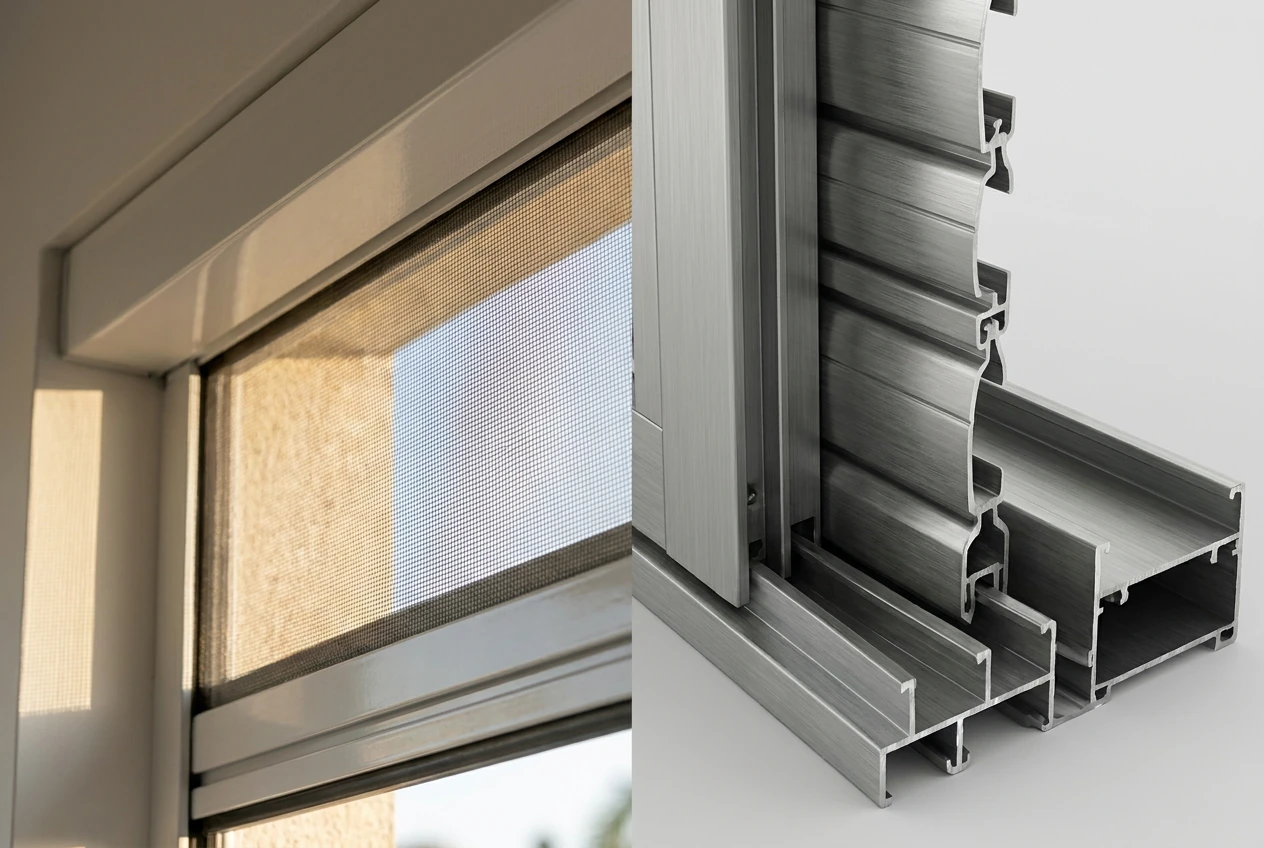
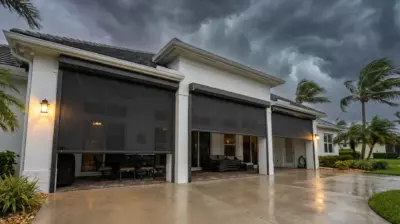
While some heavy-duty screen fabrics offer high wind and debris resistance, a motorized screen system is not a substitute for dedicated, code-compliant hurricane shutters.
- The tracks and motor are not designed to withstand hurricane-force wind loads.
- Relying on them for hurricane protection can lead to catastrophic failure and severe property damage.
Specialty fabrics like OmegaTex™ are marketed as “Hurricane Screens” and can pass a Dade County Projectile Test when used with specific, certified systems. However, this does not make the entire motorized unit a “hurricane shutter.” Always consult with an expert.
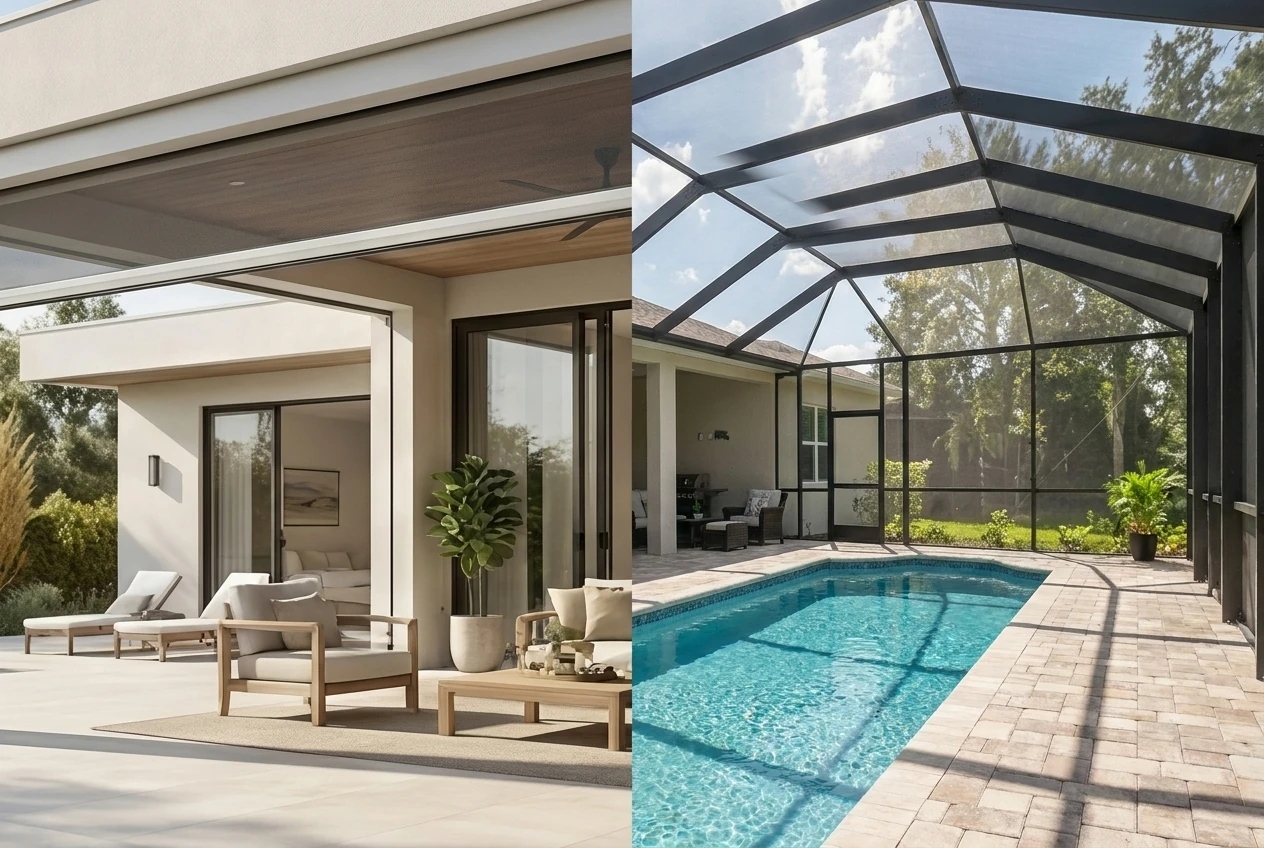
| Motorized Screen | Full Screen Enclosure (Pool Cage) |
A motorized screen provides a flexible wall, not a complete, permanent structure. Adds on-demand walls to an existing covered space. Retracts for an open-air feel. A premium, feature-rich product. |
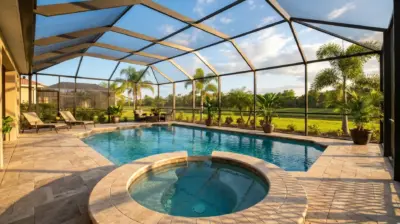
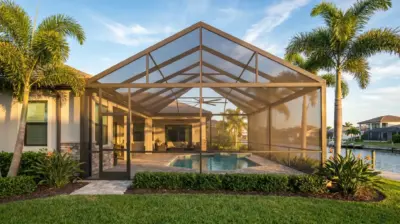
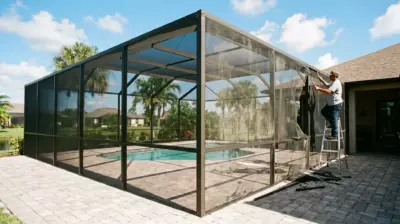
A full enclosure is a permanent aluminum structure that includes a roof. A permanent aluminum structure that includes a roof. Creates a new, fully enclosed outdoor room. Often a different price point and construction process. |
Understanding the Cost: What Drives the Price?
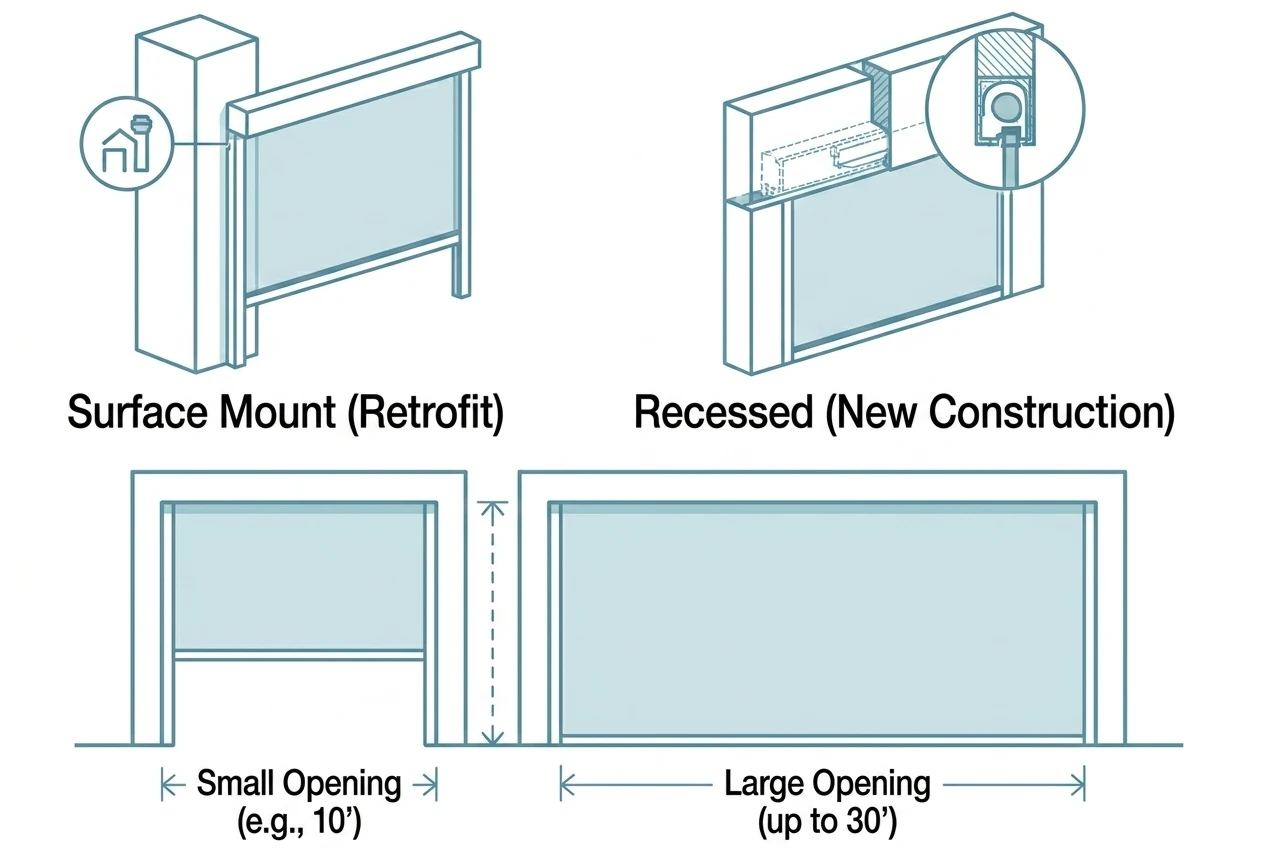
| Installation Complexity | Size of the Opening |
| Tracks are mounted directly onto existing columns (Surface Mount) or hidden within the structure for a seamless look (Recessed), which requires more planning and labor. | Larger spans (up to 30′) require larger housings, heavier-duty motors, and more robust components. |
| Fabric Choice | Motor & Controls |
| Solar, insect, privacy, and heavy-duty fabrics all have different price points. | Options range from a basic remote to smart-home integration with wind and sun sensors, which adds to the cost. |
The Heart of the System: Choosing the Right Fabric
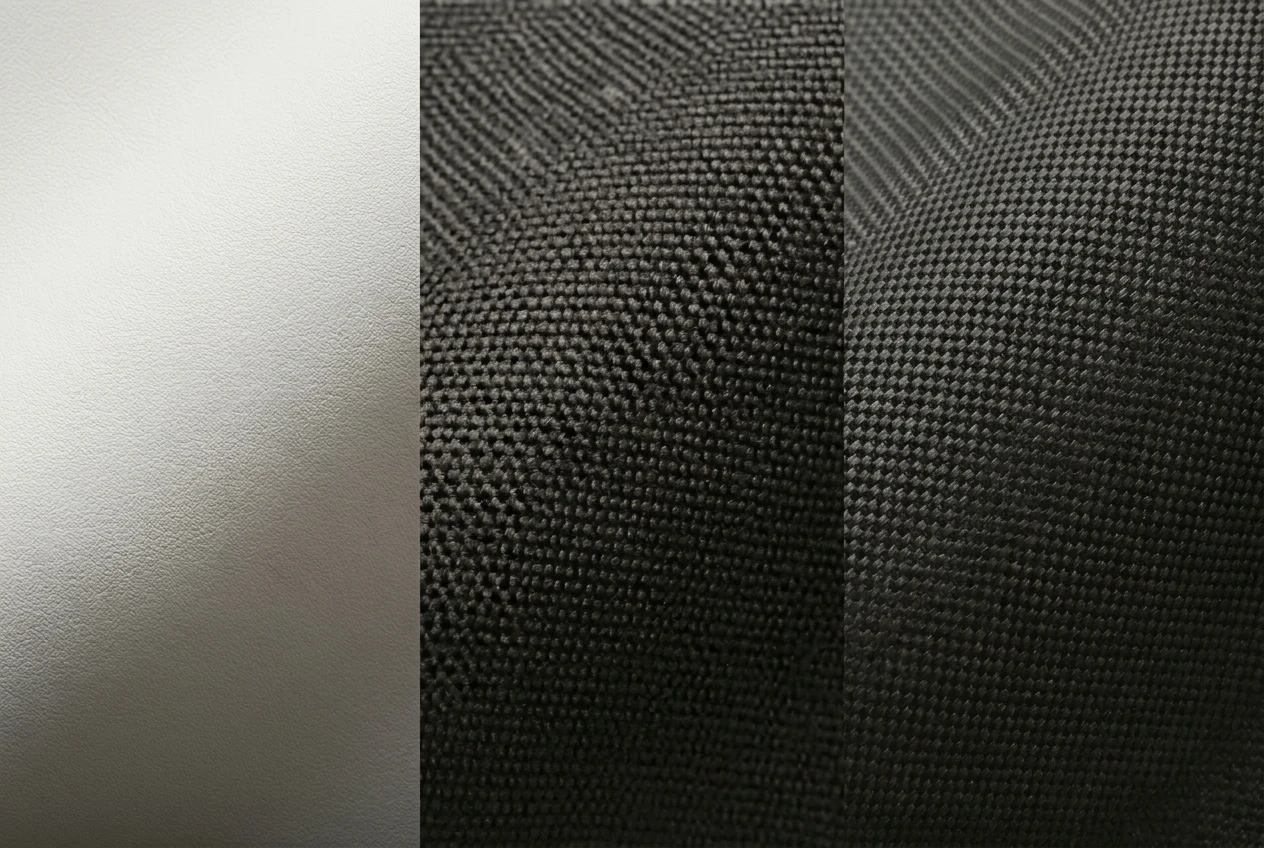
- For Insect Control: Look for tightly woven mesh that blocks small insects while maximizing airflow. Example: TEXTILENE nano 70 ‘No-See-Ums’®
- For Sun Protection: These fabrics are rated by their openness factor, blocking 80% to 97% of UV rays. Examples: Phifer SunTex 80/90, TEXTILENE nano™ 95/97
- For Privacy: Opaque weaves that block views while still allowing some light and air. Example: TEXTILENE Dim Out™
Key Certifications: Look for GREENGUARD® Gold Certified fabrics, which meet high standards for low chemical emissions and indoor air quality. Many are also infused with Microban to inhibit mold and mildew.
The ‘Brains’ Behind the Screen: Control & Automation
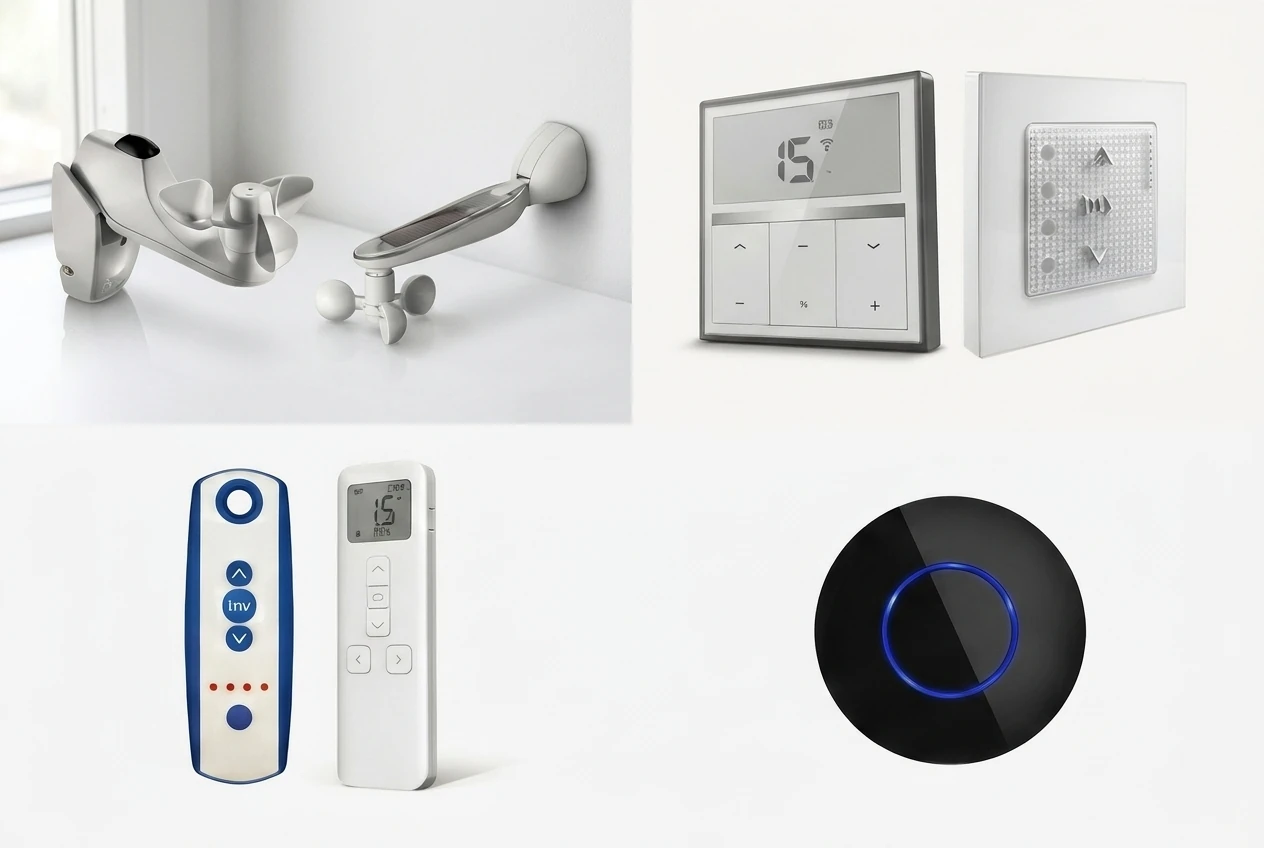
Modern systems offer more than just a simple up/down button.
Hand-held Remotes: Multi-channel remotes can control multiple screens individually or as a group.
Wall Switches: Provide a permanent, convenient control point.
Home Automation: Integrate your screens with smart devices (like Bond Bridge) to control them with your phone or voice commands.
Smart Sensors: Sun and wind sensors can automatically deploy or retract your screens based on weather conditions, protecting your investment.
A Quick Guide to Care & Troubleshooting
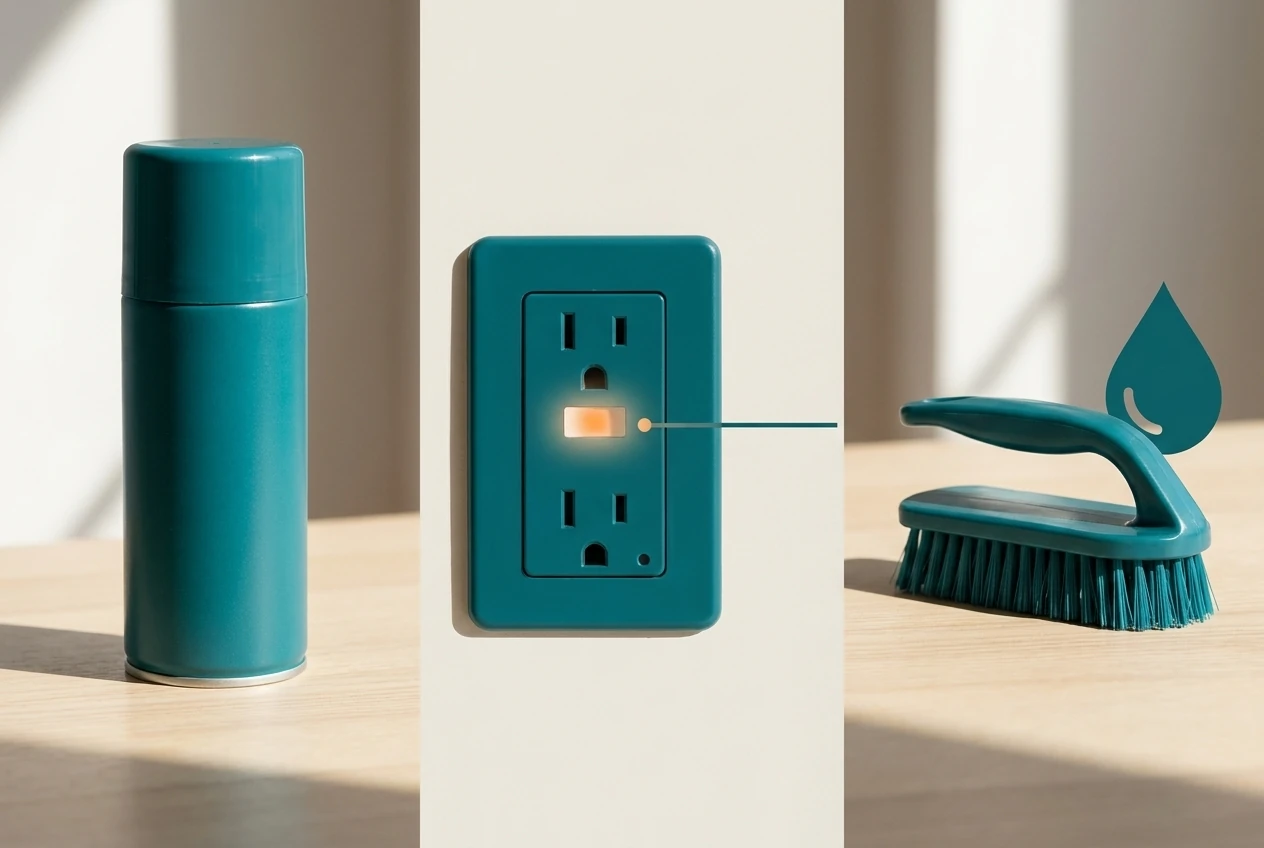
Keeping your screens in top shape is simple.
Clean the Fabric. Use a soft rag or brush with mild soap (like Dawn detergent) and water. Gently hose off.
Lubricate Tracks. Apply a dry lube or graphite spray to the inside of the side tracks to ensure smooth operation. Avoid greasy lubricants that attract dirt.
Troubleshooting: Screen Isn’t Working? Check the Outlet First! Many screens are plugged into a GFI outlet that can trip after a storm. Before calling for service, unplug the screen and test the outlet with another device (like a lamp). This solves the problem most of the time.